

Why Restaurant Companies Lose Leads
Most restaurant operators lose qualified calls to Map Pack competitors, marketplace lead fees, and slow follow-up, long before price becomes the issue.
Apps own the order
Delivery marketplaces take margin and the guest relationship. Owned search and reservations keep the next visit.
One Google profile for three concepts
Brunch, bar and private dining get blurred. Listings and pages have to match how guests search.
Pretty photos, no local pages
Instagram does not rank for best Italian near me. The site and the profile do.
Slow nights with no offer system
Tuesday needs a reason. Email, Maps posts and ads should know the daypart.
Our system
How We Grow Restaurant Businesses
Three restaurant marketing services, built for how restaurant customers actually decide, not a template copied from another industry.
Keywords
Sample Restaurant Marketing Keywords We Rank You For
Service and city searches we map in your free restaurant marketing audit, then build pages, profiles, and campaigns to capture.
- restaurant marketing agency
- restaurant SEO
- restaurant Google Ads
- local SEO for restaurants
- restaurant social media marketing
- reservation marketing
- restaurant email marketing
- hospitality marketing
Process
Restaurant Marketing Process: Audit To New Customers
Four steps we use on every restaurant account, from the market audit through rankings and customers you can trace.
Audit
Market, competitors & leak map.
Build
GBP, pages & tracking live.
Rank
Reviews, citations & ads compound.
Scale
Calls tied to revenue.
Restaurant Seasonal Marketing Context
Patio season, holidays, tourism peaks and sports calendars move covers. Restaurant campaigns should be planned like a menu, not a yearly retainer with no calendar.
We align restaurant marketing, Google Ads budgets, and Google Business Profile posts to demand in your territory so spend matches when customers actually search.
What Restaurant Marketing Actually Has To Do
Restaurant companies do not buy marketing because they enjoy reports. They buy it because the phone, the inbox or the booking link is quieter than the crew, the clinic, the studio or the sales team can afford. Go to Delta Marketing Restaurants for the dining-specific work, case stories and creative. This domain stays the agency. That domain is the restaurant practice.
The buyer in this market is owners, groups and marketers of restaurants, bars and hospitality concepts. Their path is hungry search, map pin, reservation or walk-in the same day. If your site, ads and Google Business Profile are written for a different person, you will pay for attention that never becomes revenue. delivery apps and the restaurant that owns Google for the neighborhood already occupy the lazy version of this search. The work is to be more specific than they are, in the cities you can actually serve.
Delta Marketing is a marketing agency. Home services is one industry. Restaurant is its own niche. That means the keyword map, the proof, the landing pages and the way we talk about a lead are built for restaurant marketing, not copied from a roofing account and renamed.
How People Search Before They Hire Restaurant
Most of the money sits in a few query shapes. Near-me and city searches. Service or problem searches. Brand searches from people who already heard of you. Comparison searches from people who are about to pick someone. restaurant marketing has to cover the first three. Brand search is what you earn after the rest works.
A useful keyword set for this niche includes restaurant marketing agency, restaurant SEO, restaurant Google Ads, local SEO for restaurants, and restaurant social media marketing. Those are not blog topics for their own sake. Each one implies a page, a section on the Google Business Profile, or an ad group with a matching headline. Mixing them into one URL teaches Google, and the visitor, that you are unsure what you sell.
We also watch the queries that waste money. DIY research, jobs and careers, wholesale suppliers, and cities outside the service area. Negative keywords, location settings and page copy should push those visits away. A cheap click from the wrong person is not a bargain. It is payroll for your front desk.
Patio season, holidays, tourism peaks and sports calendars move covers. Restaurant campaigns should be planned like a menu, not a yearly retainer with no calendar. When the calendar is predictable, waiting until the phones spike is how you donate the first two weeks of demand to whoever published first.
Where Restaurant Leads Leak
Before we add budget, we map the leak. The same four stages show up in almost every restaurant marketing account: they cannot be found, they are found for the wrong job, the click lands on a page that does not answer, or the lead arrives and nobody owns it. The pains below are the version of that leak we see in this niche.
Apps own the order. Delivery marketplaces take margin and the guest relationship. Owned search and reservations keep the next visit. For restaurant businesses this is not a branding problem. It is a routing problem. The person searching never sees the proof that would have made them call, or they see it and the next step is slow, confusing or aimed at a different service. Fixing it means a page that states the offer, a listing that matches the page, and a follow-up path your team will actually use on a busy day.
One Google profile for three concepts. Brunch, bar and private dining get blurred. Listings and pages have to match how guests search. For restaurant businesses this is not a branding problem. It is a routing problem. The person searching never sees the proof that would have made them call, or they see it and the next step is slow, confusing or aimed at a different service. Fixing it means a page that states the offer, a listing that matches the page, and a follow-up path your team will actually use on a busy day.
Pretty photos, no local pages. Instagram does not rank for best Italian near me. The site and the profile do. For restaurant businesses this is not a branding problem. It is a routing problem. The person searching never sees the proof that would have made them call, or they see it and the next step is slow, confusing or aimed at a different service. Fixing it means a page that states the offer, a listing that matches the page, and a follow-up path your team will actually use on a busy day.
Slow nights with no offer system. Tuesday needs a reason. Email, Maps posts and ads should know the daypart. For restaurant businesses this is not a branding problem. It is a routing problem. The person searching never sees the proof that would have made them call, or they see it and the next step is slow, confusing or aimed at a different service. Fixing it means a page that states the offer, a listing that matches the page, and a follow-up path your team will actually use on a busy day.
If two of those are true at once, buying more clicks makes the leak more expensive. The audit is there to say which one is first. Sometimes it is the Map Pack. Sometimes it is a form that asks for twelve fields. Sometimes it is a sales script that treats every inquiry like a tire kicker, including the ones that were ready.
The Channel Mix For Restaurant Marketing
Local SEO and Google Business Profile. For restaurant companies, Maps is often the storefront. Categories, services, photos, hours, and a review habit decide whether you exist on a phone. Website pages still matter because they are what the profile and the ads should point to. We do not split SEO and the profile into two strategies that contradict each other.
Google Ads and paid social. Ads are how you buy the searches and the neighborhoods SEO has not earned yet. Structure follows intent. One offer, one landing page, one geo. restaurant marketing campaigns fail when a single ad group tries to sell every service to every zip code. Retargeting is for people who already visited and did not book, not for cold slogans.
Website and landing pages. The page has to load, state who it is for, show proof, and offer one next step. Click-to-call on mobile is not a nice extra for this niche. It is the conversion. Forms are for people who will not call yet. Both need to land in one inbox or CRM with the source attached.
Reviews, email and follow-up. A lead that is not answered is not a lead. Review requests, reminders and a second touch are part of acquisition because they change close rate, and close rate changes what you can afford to pay for the click. We would rather improve the percentage of leads that become customers than pretend a cheaper click fixed the business.
What We Build In The First 90 Days
Days one through fourteen are the audit. We look at the Google Business Profile, the site, call tracking, the ads account if one exists, and the competitors who already take restaurant marketing clicks in your main cities. You get a short list, not a forty-page PDF nobody will finish. The point is to name the leak and the first pages or campaigns that close it.
The next month is build. Tracking that tells a call from an ad apart from a call from Maps. Pages for the services that actually make money. Profile categories and photos that match those pages. Ad groups only where the landing page is ready. If the page is not ready, we do not buy the click.
By day ninety we should be able to talk about cost per lead and, where your team logs outcomes, cost per customer. Rankings are included because they explain the lead trend. They are not the report. If a keyword moves and the phone does not, the page or the follow-up is wrong and we change that instead of celebrating a position.
After that, the work is seasonal and geographic. New cities only when the first ones have a page, a listing story and a number you trust. New services only when they deserve their own intent. That is how restaurant accounts stay specific instead of becoming a junk drawer of URLs.
How To Judge A Restaurant Marketing Program
Ask for the cost of a qualified lead and the cost of a new customer, not a blended CTR. Ask which cities and which services produced them. Ask what was turned off. A healthy account always has something that was stopped because it brought the wrong people.
Compare the lead to the job, the case, the membership, the cover, or the consult it is supposed to become. A restaurant lead that cannot close inside your normal sales process is a targeting problem, even if the dashboard looks busy. Go to Delta Marketing Restaurants for the dining-specific work, case stories and creative. This domain stays the agency. That domain is the restaurant practice.
Budget ranges vary. A single-location business in a small city does not need a national media plan. A multi-location brand does not get results from one homepage. We scope after the audit because restaurant marketing costs are a function of competition, close rate and how many markets you insist on entering at once.
If you want the math before the call, use the cost per lead calculator and the customer acquisition cost calculator on this site. They will not replace an audit. They will show whether the click price and the close rate you already have can support the growth you want.
Keywords We Keep Separate
Each query below gets its own headline, proof, and cities. Mixing them into one paragraph is how a restaurant site stays invisible for the search that would have paid.
- restaurant marketing agencyOwn headline
- restaurant SEOOwn proof
- restaurant Google AdsOwn cities
- local SEO for restaurantsOwn landing page
- restaurant social media marketingOwn headline
- reservation marketingOwn proof
- restaurant email marketingOwn cities
- hospitality marketingOwn landing page
Internal links matter here. This page connects to the service lines that do the work and to neighboring industries only when the buyer is actually similar. A restaurant visitor should not be dumped into an unrelated trade just to spread link equity. Relevance is the point of having industries at all.
Bring your current site, the cities you cover, and a rough sense of what a good customer is worth. The audit is free, it is specific to restaurant marketing, and it is a strategy call rather than a recycled pitch for every local business in America.
Restaurant site
See The Restaurant Work On Its Own Site
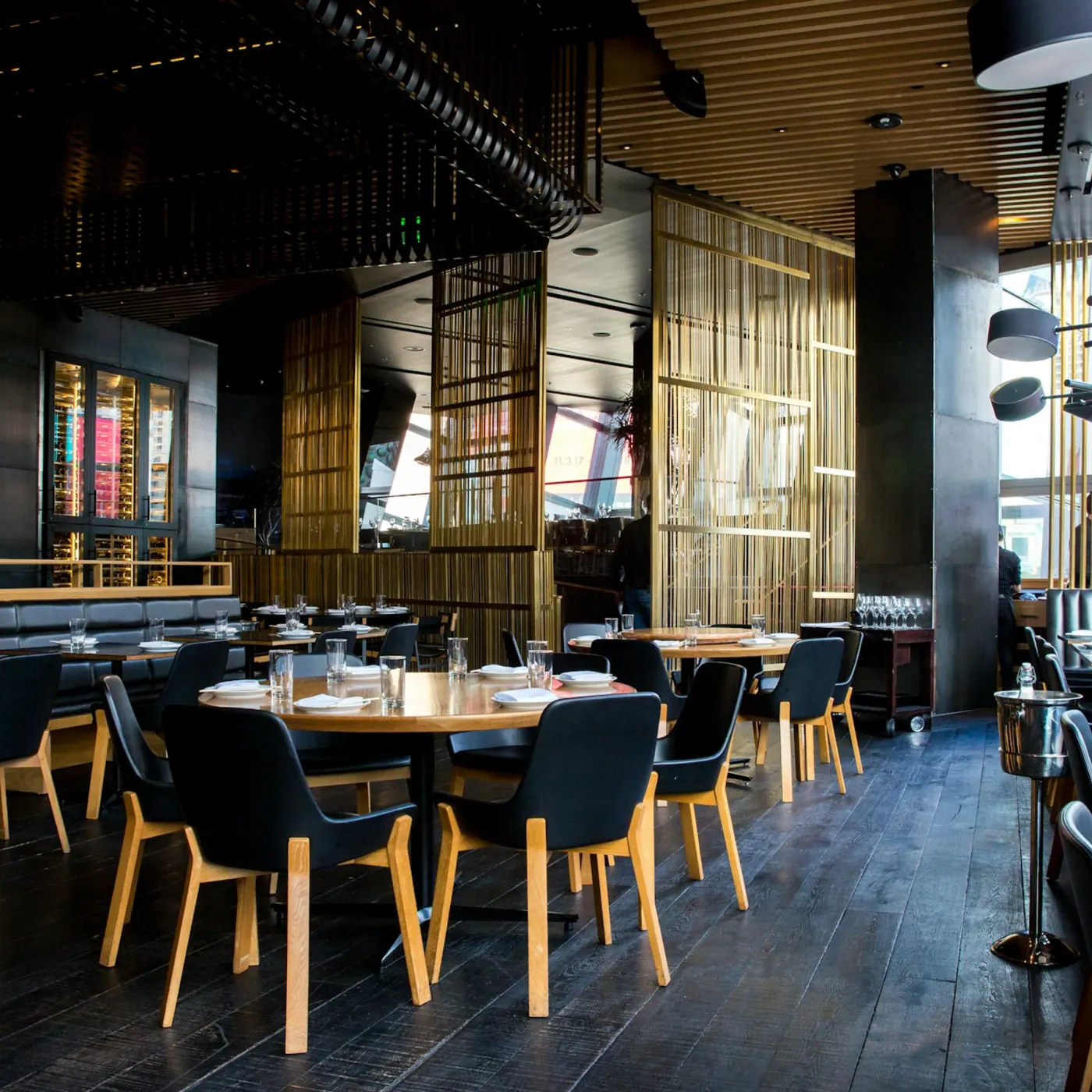
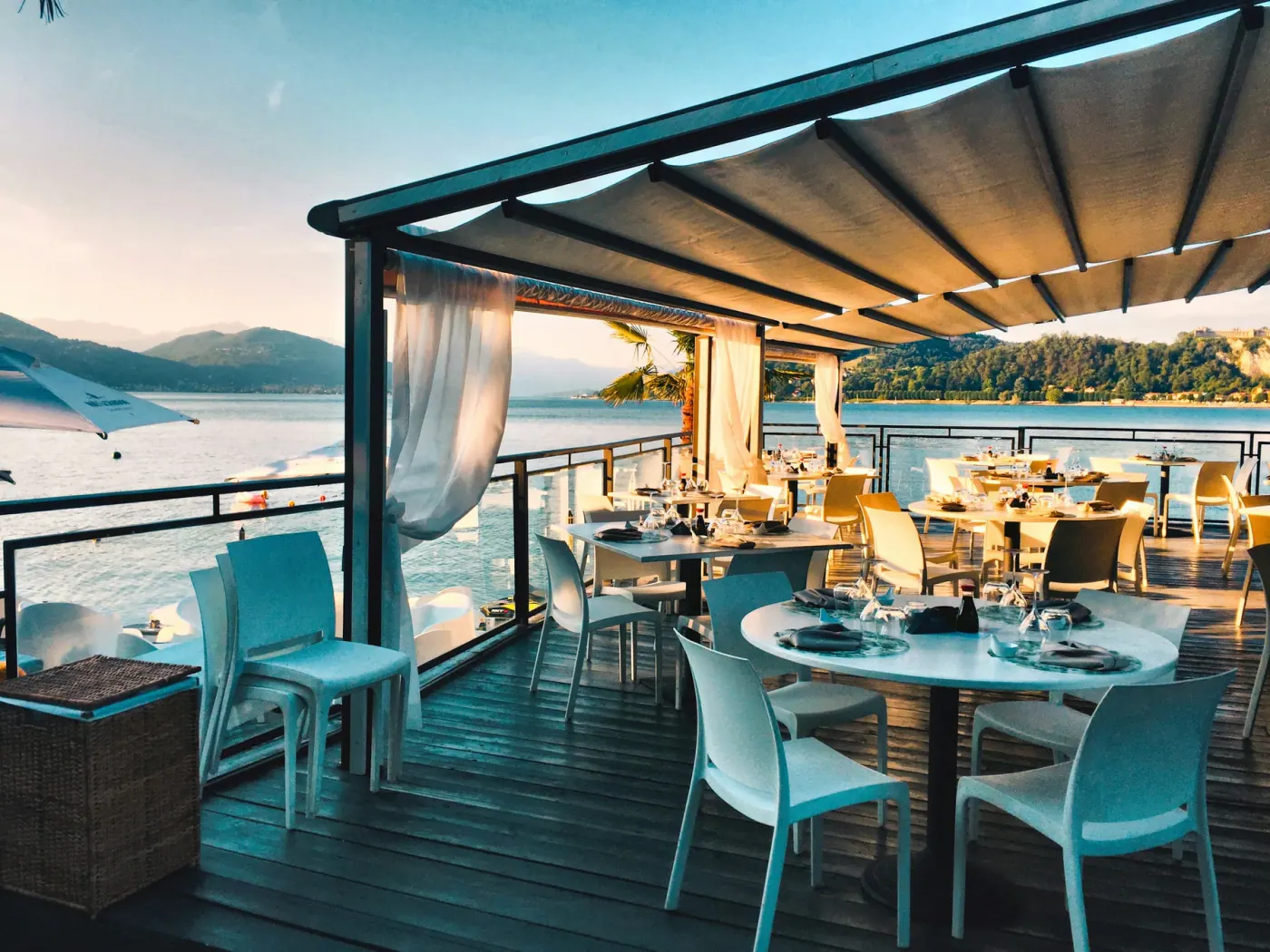
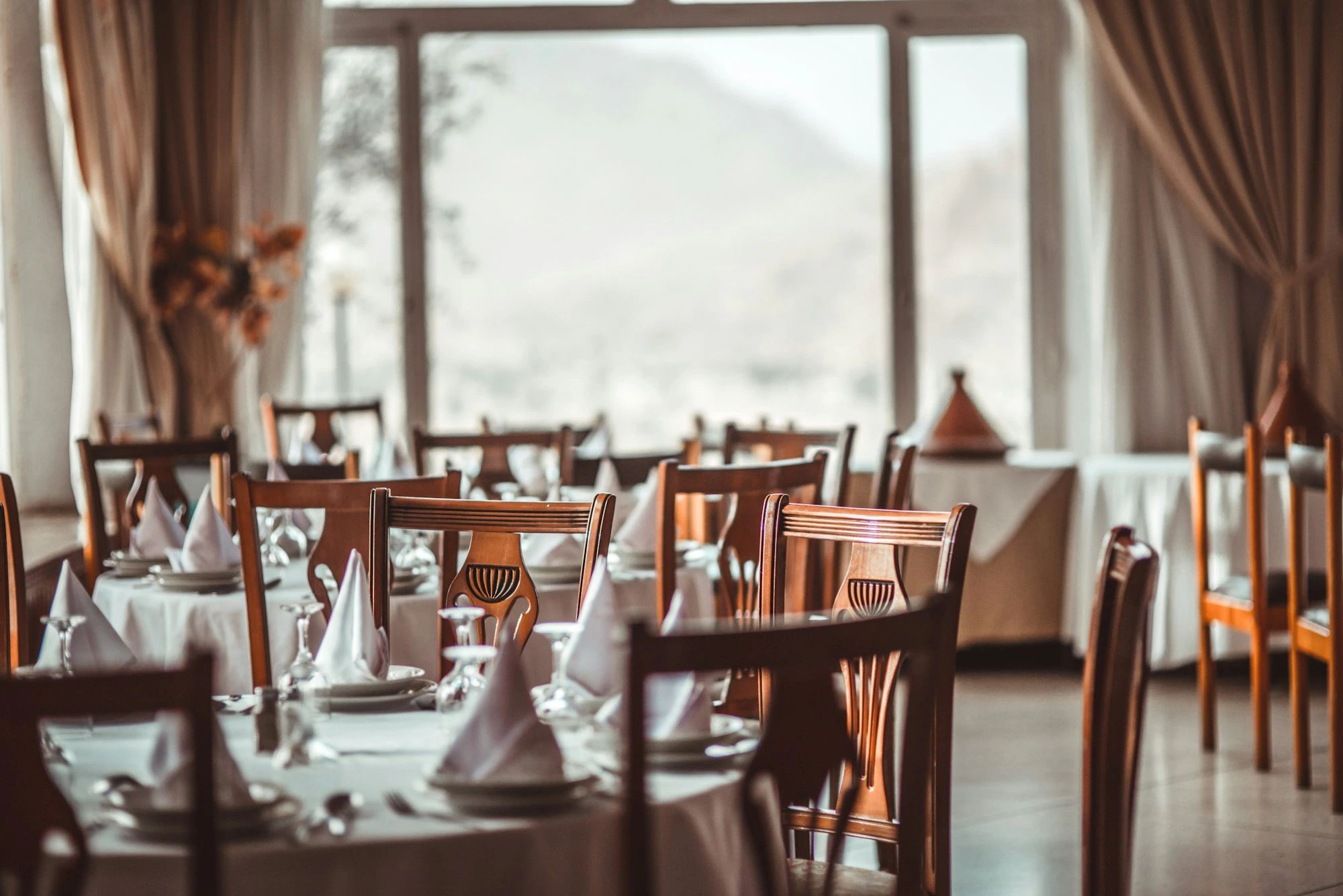
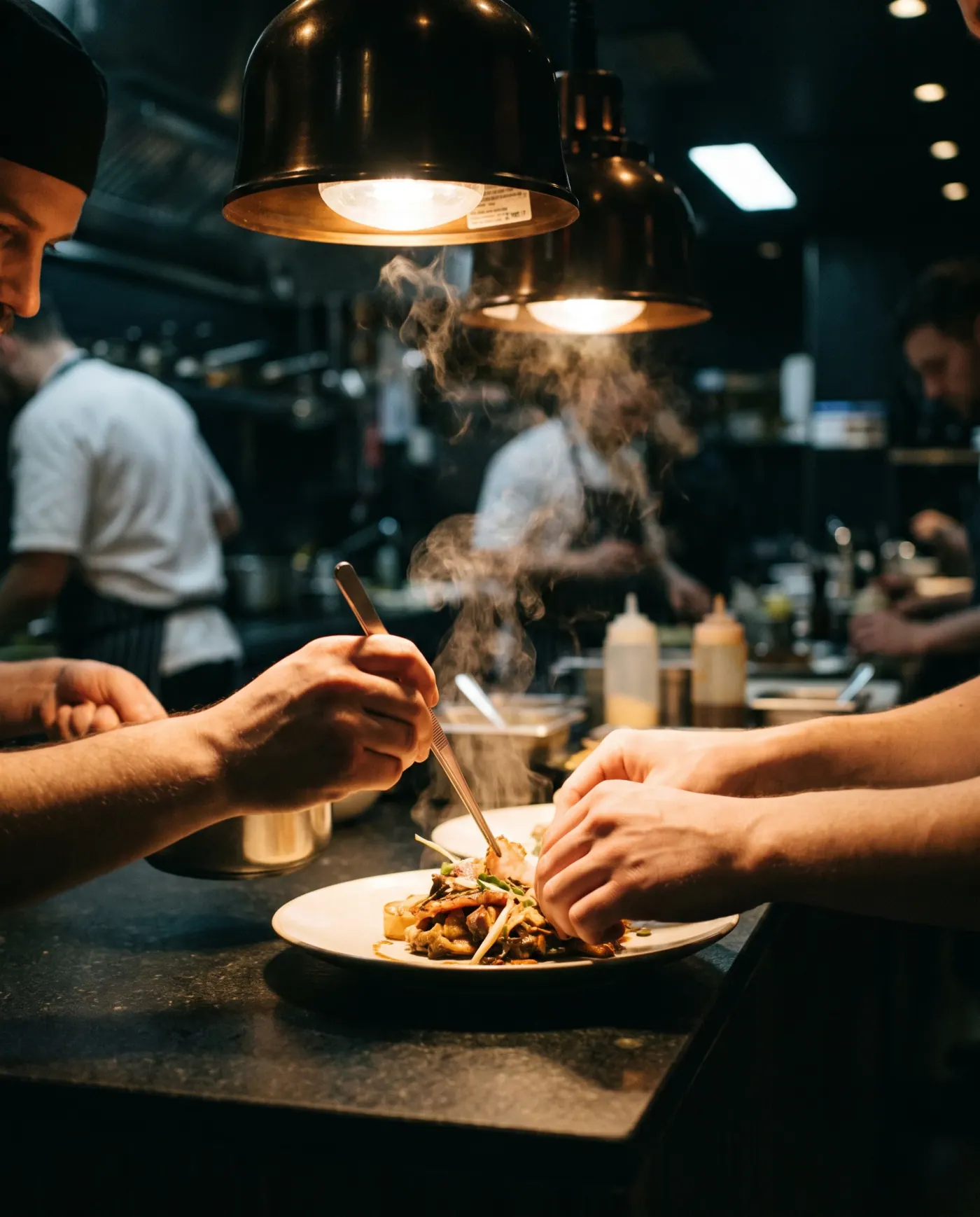
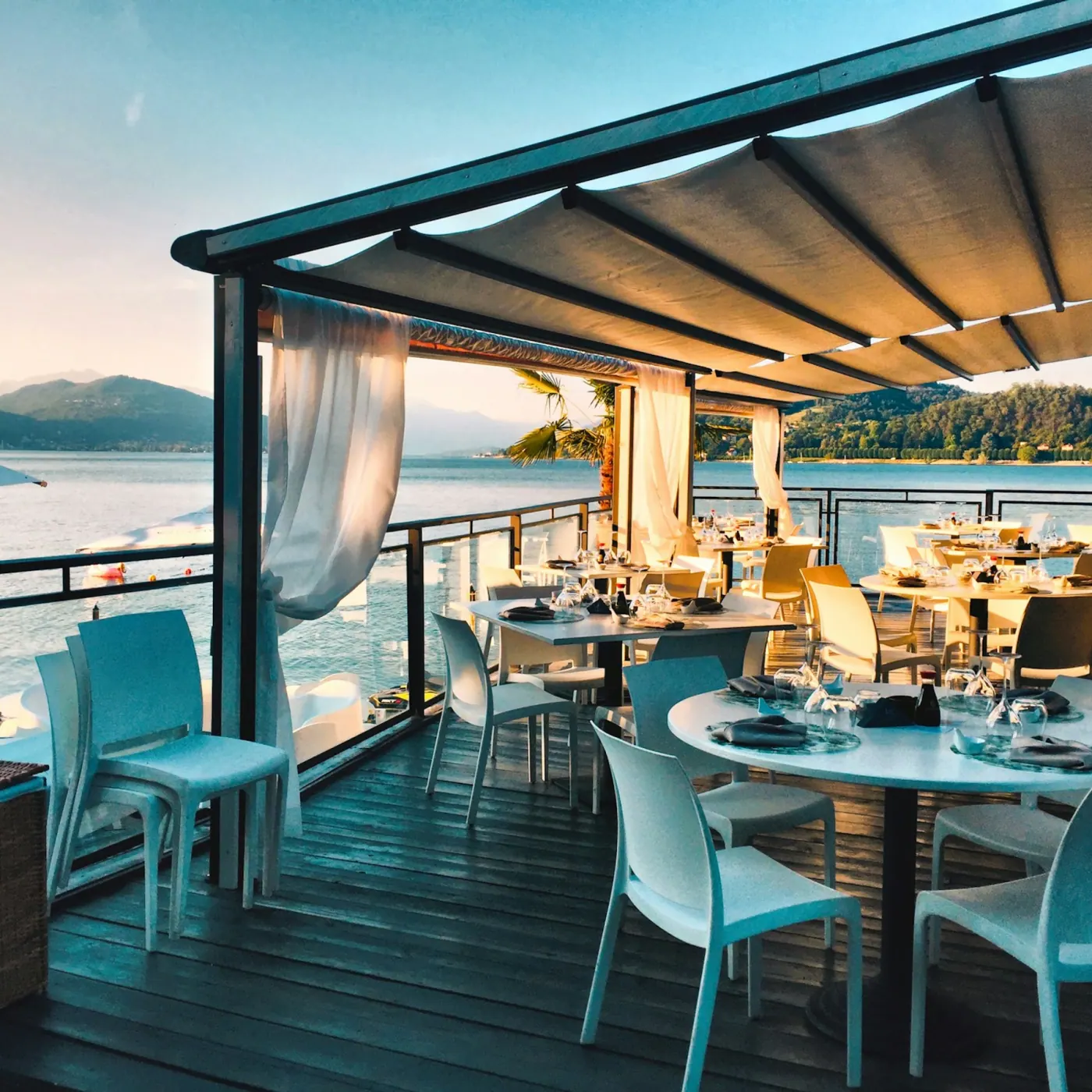
Dining creative, guest-path maps and restaurant campaigns live on deltamarketingrestaurants.com. The photos below are from that site. Use them as the visual standard, then continue there for the full restaurant practice.
Related
Restaurant Marketing Guides & Related Trades
Read our Home service SEO guide or explore home service SEO services for restaurant companies.
FAQ
Restaurant Marketing
Questions Answered.
Common restaurant marketing questions, with answers scoped to how this niche actually buys.
How long until restaurant marketing produces leads?
Most restaurant campaigns show Map Pack or paid-search movement in 30 to 90 days once tracking, pages and the Google Business Profile are live. Competitive metros take longer on head terms.
Do you only work with home service companies?
No. Home services is one industry we know deeply. Restaurant is marketed with its own keyword map, proof and sales cycle, not a contractor template with the trade name swapped.
What should we measure?
Cost per qualified lead, show rate and cost per new customer. Rankings and clicks are diagnostic. Booked revenue is the score.
How much does restaurant marketing cost?
Most restaurant companies invest $1,500-$5,000/month across SEO and ads depending on market size, cities served and competition.
Do you run Google Ads for restaurant companies?
Yes. Search, LSAs and retargeting with call tracking scoped to restaurant keywords, emergency intent and seasonal demand.
How do you measure restaurant marketing ROI?
Cost per booked job, Map Pack visibility and call volume - tracked monthly with CRM attribution, not vanity traffic reports.